 ClubCrossDressing ®


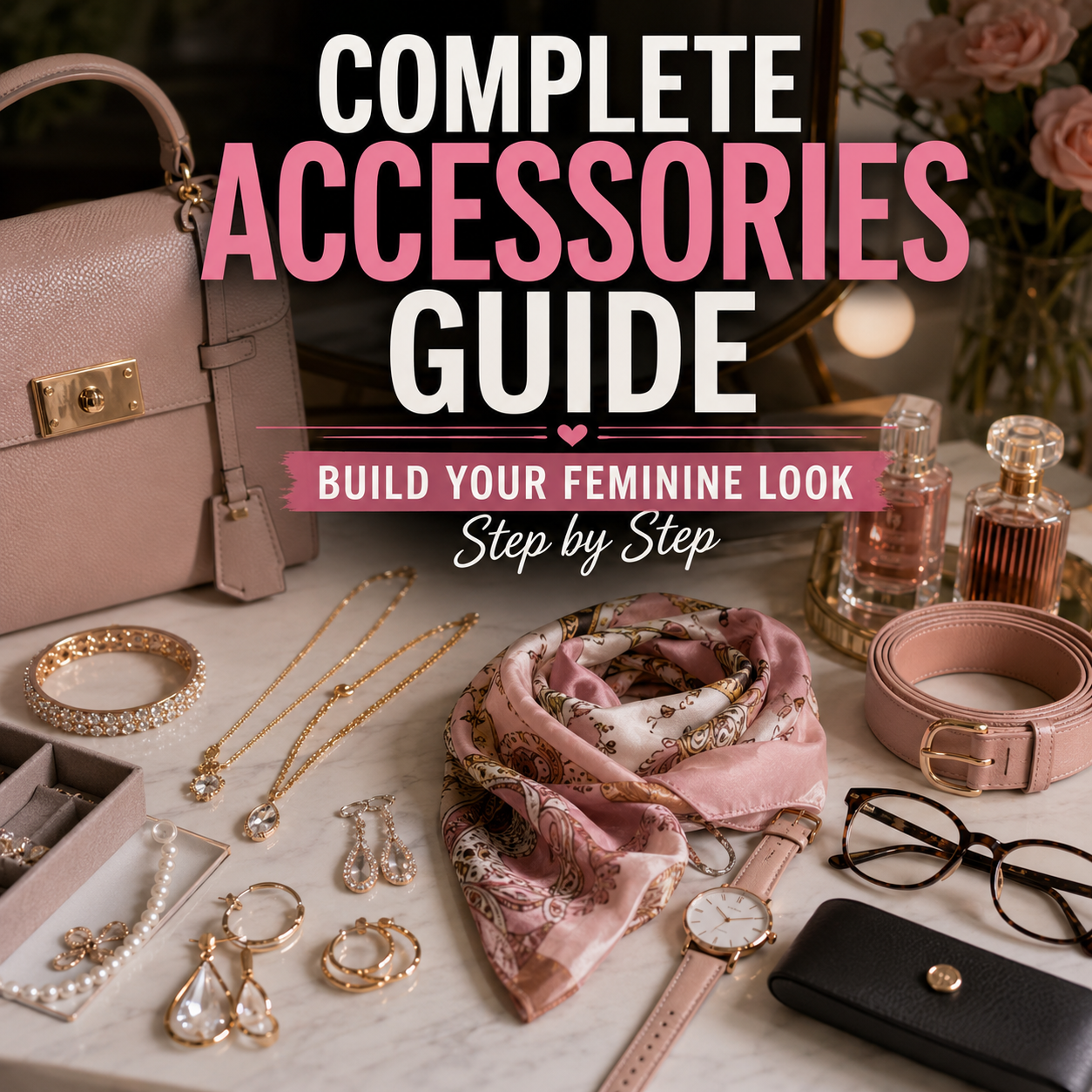
Accessories are one of the most misunderstood parts of styling. Most people treat them as finishing touches, but in practice they control how an entire outfit is read before clothing is even fully processed.
This pillar page breaks accessories into a structured system used to shape perception, balance, proportion and movement. Once understood, it removes guesswork from styling and replaces it with repeatable logic.
This system sits inside the wider styling framework covered in the crossdresser fashion complete guide.
Why Accessories Actually Matter
Clothing provides base structure. Accessories control interpretation.
Two people can wear identical outfits and be read completely differently because accessories change where attention is drawn first, how body shape is interpreted, how balanced the outfit feels, and whether the look reads as soft, structured or neutral.
The key mistake most beginners make is thinking accessories are optional decoration. In reality, they are part of the perception engine. This is also one of the common issues covered in our guide to crossdressing fashion mistakes beginners make.
After working with the ClubCrossDressing community since 2009, one pattern appears consistently: once someone understands accessory control, their styling improves faster than most clothing changes ever achieve.
The Accessory System Framework
All accessories operate within five control layers:
- Attention Layer: directs where the eye goes first.
- Structure Layer: influences perceived body shape.
- Balance Layer: distributes visual weight.
- Flow Layer: controls softness and movement.
- Refinement Layer: completes detail perception.
Styling becomes consistent when each layer is intentionally managed rather than accidentally created. If you are still building your base wardrobe, start with our crossdresser wardrobe essentials for beginners.
Facial Accessory System
The face is the first area processed visually. This makes facial accessories the highest-impact part of the entire system.
Jewellery: Attention Control Mechanism
Jewellery sits closest to facial expression, meaning it determines where attention is anchored.
It does not function as decoration. It functions as directional control.
- Guides visual attention to selected facial areas.
- Softens or sharpens perceived bone structure.
- Creates hierarchy in upper-body reading.
- Adds detail-based femininity without structural change.
Key principle: jewellery is not about matching. It is about controlling focus intensity.
Face Shape Logic System
- Round face: vertical lines extend visual length.
- Angular face: curved forms reduce harshness.
- Long face: wider shapes restore balance.
- Smaller features: reduced scale avoids overwhelm.
The goal is not symmetry with clothing. The goal is visual correction through contrast and direction.
Frames: First Impression Structure Layer
Frames operate differently from jewellery. Where jewellery directs attention, frames define interpretation.
They are processed extremely early in visual perception, often before clothing details are noticed.
- Facial symmetry perception.
- Softness versus structure interpretation.
- Eye focus anchoring.
- Overall first impression tone.
Key principle: frames do not decorate the face. They structure how the face is read. For practical application, see our feminine glasses styling guide.
Facial System Integration
Jewellery and frames function together as a single facial control system.
- Jewellery controls attention flow.
- Frames control structural interpretation.
When these two are aligned, facial presentation feels coherent. When they conflict, the face reads visually uncertain even if individual items are correct.
Body Structure System
Once facial perception is established, the next layer of styling is body structure.
This is where accessories stop influencing attention and start actively shaping how the body is interpreted.
Belts: Silhouette Engineering System
Belts are one of the most powerful structural tools in styling because they directly manipulate where the body is visually broken.
They do not function as clothing support. They function as visual segmentation tools.
- Create waist definition regardless of natural shape.
- Break vertical visual lines.
- Shift perceived torso length.
- Rebalance upper versus lower body proportion.
Key principle: belts do not tighten clothing. They rewrite proportion.
If your goal is a softer feminine shape without looking overdone, our guide to creating a balanced feminine look is a useful next read.
Waist Position Logic System
High waist position shortens visual torso length, increases curve perception and emphasises upper-body compactness.
Natural waist position creates balanced proportion and works as the baseline styling position.
Low waist position reduces structural definition, creates a relaxed silhouette and shifts focus away from waist emphasis.
Movement System
Static styling is only half of the visual system. The way accessories behave in motion changes how an entire outfit is interpreted.
Movement is where styling either feels natural or starts to break down.
Handbags: Movement Anchor System
Handbags function as physical and visual anchors. They influence both posture and perceived balance of the body.
- Arm positioning and natural swing.
- Left-right visual weight distribution.
- Lower body grounding perception.
- Walking rhythm and posture stability.
Key principle: handbags stabilise motion by anchoring one side of the silhouette. For more practical advice, see our crossdresser handbag guide.
Watch Styling Logic
Watches operate in a low-attention zone but still influence overall styling coherence.
They complete wrist-level detail without competing with facial or structural accessories. Our crossdresser feminine watch guide explains how to choose a watch that feels feminine without looking out of scale.
Scarves: Flow Control System
Scarves introduce movement variation and softness into structured styling.
They act as a counterbalance to belts and structured accessories.
- Softness around neckline transitions.
- Movement variation during walking.
- Breaks in rigid visual structure.
- Colour layering without structural commitment.
Key principle: scarves reduce visual rigidity and increase flow perception. See our crossdresser scarf style guide for practical styling ideas.
Outfit Coordination
Accessories only work properly when they support the outfit. A handbag, necklace or scarf can be correct on its own and still wrong for the full look.
If you are still learning how to build outfits, start with beginner crossdresser outfit ideas or crossdresser outfit ideas for beginners.
For everyday dressing, accessories should feel calm and practical. A small crossbody bag, simple earrings and soft scarf often work better than dramatic jewellery or high-glam pieces. Our guide to casual feminine fashion for everyday crossdressers covers this in more detail.
Shoes, Hosiery and Lower-Body Balance
Shoes act as visual anchors. They decide whether the look feels casual, polished, evening-ready or practical.
If shoes are uncomfortable or badly sized, the entire outfit suffers. Before focusing on heel height, read our guide to choosing the right shoe size for crossdressers.
Hosiery also affects lower-body balance. Tights can smooth the leg line, soften contrast and make shoes feel more connected to the outfit. If grooming is part of your preparation, our guide to shaving body hair for crossdressers may help.
Makeup, Skin and Accessory Harmony
Accessories sit close to makeup, especially earrings, glasses, necklaces and scarves. If makeup and accessories fight each other, the face can look visually busy.
For example, bold earrings, strong lipstick and dramatic eyes can work, but only when the rest of the outfit is calm. If you are still learning makeup balance, read crossdressing makeup tips and the power of makeup.
Skin preparation also matters because accessories draw attention to the face, neck, hands and wrists. For smoother presentation, see crossdressing skincare for smooth feminine skin and our healthy skin guide for crossdressers.
Fragrance and Invisible Styling
Fragrance is the invisible accessory. It does not change silhouette, but it changes how dressing feels.
Use it carefully. Too much perfume can overpower a look and create privacy issues if you are not fully open about dressing. Our guide to choosing a feminine fragrance covers scent choices, subtlety and discretion.
Hair Accessories and Wigs
Hair accessories help soften the face and make a wig or hairstyle look more intentional.
Clips, headbands, hair scarves and soft styling details can change how the upper body reads. If you do not always wear a wig, see crossdressing hairstyles beyond wigs.
Shopping for Accessories Discreetly
Accessories are usually easier to buy discreetly than clothing, but privacy still matters.
Jewellery, bags, scarves, fragrance and nails can all raise questions if they are delivered to the wrong place or left lying around. For privacy-first shopping advice, read discreet crossdressing shopping and shopping privately for crossdressers.
If budget matters, accessories are one of the best places to experiment without overspending. Our guide to crossdressing on a budget has more practical ideas.
Confidence and Personal Style
Accessories help build confidence because they make a look feel complete. Small details can change posture, movement and self-perception.
This is why accessories connect closely with confidence. See how clothes change confidence and crossdressing confidence for more support.
Over time, accessories often become part of personal style. Some crossdressers develop a signature scarf, perfume, handbag, jewellery style or colour palette. Our guide to how crossdressers develop personal style over time explores that process more fully.
Going Out Dressed
When dressing in public, accessories need to be practical as well as pretty.
A secure handbag, comfortable shoes, light scarf and simple jewellery can help you feel more settled. If you are preparing for your first outing, read crossdressing in public for the first time and building confidence to go out dressed.
Complete Accessory System Summary
- Jewellery controls facial attention.
- Frames control facial structure interpretation.
- Belts control body segmentation.
- Handbags control movement and balance.
- Scarves control softness and transition.
- Watches control refinement detail.
- Fragrance supports emotional presentation.
- Hair accessories soften the upper body and frame the face.
Core principle: accessories are not decoration. They are a structured perception system.
Final Styling Rules
- Always define one focal point per outfit.
- Never let multiple layers compete for dominance.
- Balance structure and softness deliberately.
- Control proportion before styling detail.
- Use repetition to build consistency.
- Choose accessories that fit your real dressing life.
If you want feedback, outfit inspiration or support from others who understand the process, you can meet crossdressers through the ClubCrossDressing community.
FAQ
What accessories should every crossdresser own?
Every crossdresser should start with simple earrings, a practical handbag, nude or black tights, one scarf, one feminine watch or bracelet, one belt and a light fragrance.
What is the most important accessory for crossdressers?
Jewellery and glasses usually have the strongest first-impression impact because they sit closest to the face.
Do accessories make a crossdresser look more feminine?
Yes, when chosen carefully. Accessories can soften the face, define shape, balance proportion and make an outfit feel more intentional.
How many accessories should I wear at once?
Start with one focal accessory and two or three supporting pieces. Too many statement accessories can make the outfit look confused.
Are handbags important for crossdressers?
Yes. A handbag adds femininity, supports posture, balances movement and gives you somewhere practical to carry essentials.
Should crossdressers wear belts?
Belts can help create waist definition and improve proportion, but placement matters more than tightness.
What accessories are best for beginners?
Beginners should choose simple, versatile accessories: small hoops, a neutral handbag, black tights, a soft scarf, nude nails and a slim belt.
How do I avoid over-accessorising?
Choose one focal point. If your earrings are bold, keep the necklace, bag and scarf quieter.
Explore More Crossdressing Guides
Looking for more advice? Browse our complete collection of in-depth crossdressing guides.
Browse All Crossdressing Guides
Looking for Shorter Reads?
Prefer shorter articles? Visit our Crossdressing Articles Hub for practical tips, news, inspiration and community stories, updated regularly.