 ClubCrossDressing ®


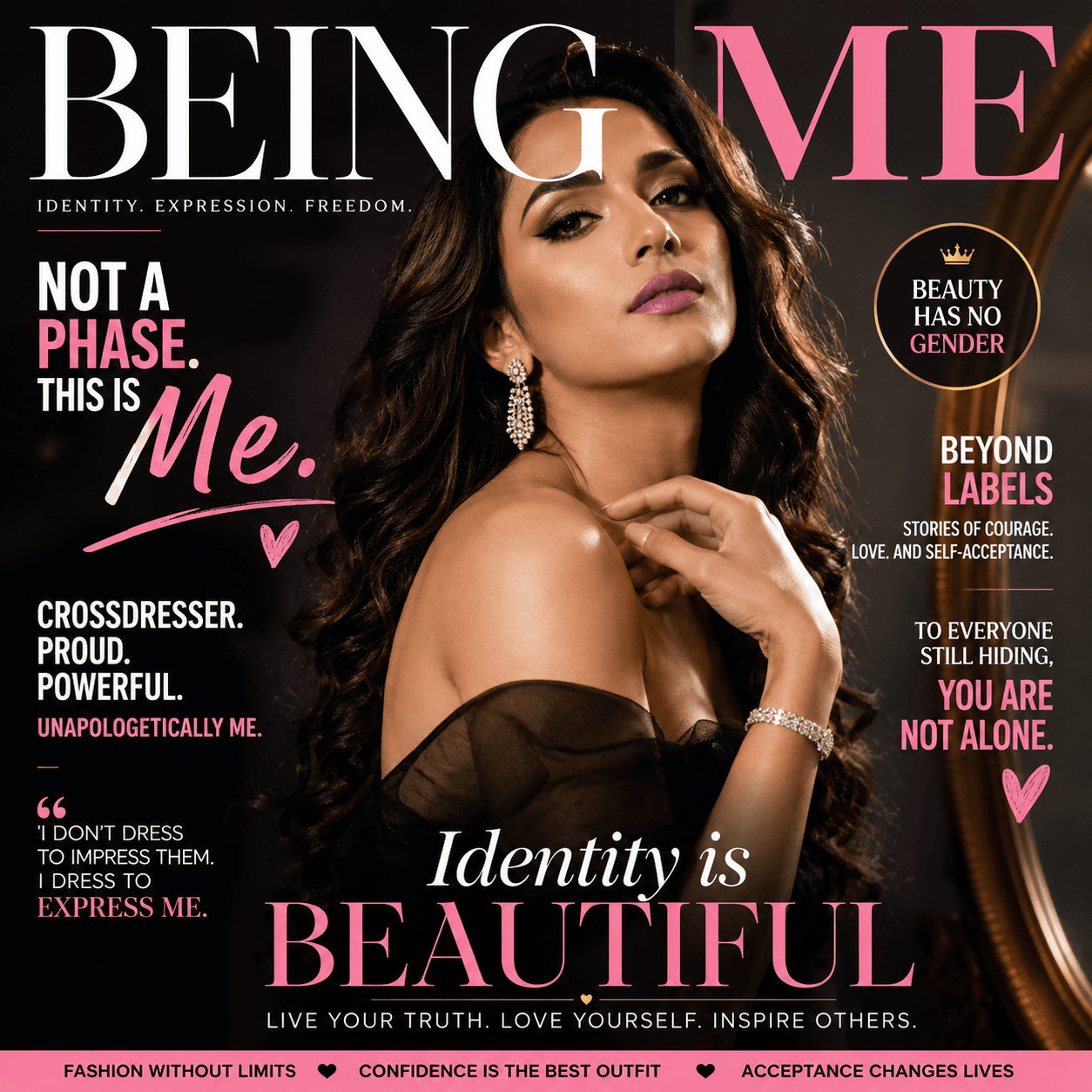
Understanding your identity is often the most important part of the crossdressing experience. Clothes, makeup, fashion and presentation can all be learned over time, but understanding yourself is what creates confidence, self-acceptance and long-term happiness.
Many people arrive here carrying the same questions. Why do I enjoy crossdressing? Does this make me transgender? Am I normal? Why do I feel guilty afterwards? Should I tell my partner? Why can't I stop thinking about it?
These questions are incredibly common.
After running ClubCrossDressing since 2009, we've seen thousands of members arrive feeling confused, isolated or worried about what their feelings might mean. Many spent years believing they were the only person experiencing these thoughts. Almost all eventually discover the opposite is true.
Crossdressing is far more common than most people realise. More importantly, there is no single "correct" way to experience it.
Some people dress occasionally and privately. Some enjoy creating a feminine appearance. Some discover a deeper connection to gender expression. Others simply find comfort, relaxation or happiness through feminine clothing.
Your experience belongs to you.
This guide brings together the most important topics surrounding crossdresser identity, self-discovery and self-acceptance. Whether you are completely new to crossdressing or have been exploring your feminine side for years, you'll find guidance, answers and resources to help you understand yourself better.
What Is a Crossdresser?
A crossdresser is someone who enjoys wearing clothing traditionally associated with a different gender. For most people, crossdressing is a form of self-expression rather than an attempt to change their gender.
Many crossdressers identify completely as men. Others identify as women, genderfluid, non-binary or transgender. Crossdressing itself does not automatically determine sexuality, gender identity or relationship preferences.
One of the biggest misconceptions we encounter is the belief that crossdressing automatically means someone is gay or wants to transition. In reality, people crossdress for many different reasons and every journey is unique.
If you're completely new to the subject, start with our guide explaining what a crossdresser is. It answers many of the questions people have when first discovering this part of themselves.
Why Does Crossdressing Feel So Important?
For some people, crossdressing is simply enjoyable. For others, it can feel emotionally powerful in ways that are difficult to explain.
Many members describe feelings of calmness, relief, comfort or authenticity when dressed. Others enjoy the creativity of building outfits, experimenting with style and expressing a side of themselves that rarely appears in daily life.
This emotional connection is one reason crossdressing often becomes much more significant than simply wearing different clothes.
Some people discover that dressing helps them relax after stressful days. Others find it provides a safe outlet for self-expression. Many simply feel more complete when they allow themselves to embrace their feminine side.
If you've ever wondered why these feelings can seem so powerful, our articles on why crossdressing feels good and the psychology of crossdressing explore these experiences in greater detail.
Is Crossdressing Normal?
Perhaps the single most common question we see is:
"Is there something wrong with me?"
The short answer is no.
Crossdressing has existed throughout recorded history and appears across cultures, countries and age groups. Despite stereotypes, people who crossdress come from every background imaginable. They include professionals, parents, partners, retirees, students and people from all walks of life.
Unfortunately, many people spend years believing they are unusual because the subject is rarely discussed openly.
Learning that crossdressing is both common and historically widespread often brings enormous relief.
If this is a concern for you, we recommend reading is crossdressing normal, how common crossdressing really is and the history of crossdressing.
Crossdresser, Genderfluid or Transgender?
Another major source of confusion involves identity labels.
Many people begin crossdressing and immediately wonder whether it means something deeper. Some fear they must be transgender. Others worry they need to choose a label immediately.
The reality is much simpler.
Crossdressing describes behaviour. Gender identity describes how you experience yourself internally.
Some crossdressers are completely comfortable identifying as men. Some identify as genderfluid and experience shifts in gender expression over time. For those exploring how their identity affects what they wear, our guide to gender-fluid clothing choices offers practical advice on feminine, masculine and androgynous presentation. Some eventually realise they are transgender. Many never do.
There is no deadline to figure everything out.
Identity develops through experience, reflection and self-understanding. Most people discover clarity gradually rather than through a single moment of revelation.
If you're questioning where you fit, our articles on gender exploration, different identity experiences and whether crossdressing means transition may help answer some of your questions.
For many crossdressers, choosing a feminine name becomes a surprisingly meaningful part of exploring their identity. At first, it may simply feel like a practical way to distinguish between everyday life and the time spent expressing a feminine side, but for some people the name gradually develops a much deeper emotional significance. Hearing that name spoken by a friend, using it within the crossdressing community or seeing it attached to a profile can create a sense of recognition and connection that clothing alone may not provide. A feminine name can help someone give shape to a part of themselves that may have existed privately for many years, while also providing a safe way to explore gender expression without feeling pressured to define their gender identity in any particular way. Some crossdressers choose a name because they simply like how it sounds, while others select one connected to a childhood memory, a favourite person or the kind of woman they imagine themselves becoming when dressed. There is no correct way to choose one, and having a feminine name does not automatically mean someone is transgender, genderfluid or wants to transition. Like crossdressing itself, the meaning is personal. If you have ever wondered why using a feminine name can feel unexpectedly powerful or emotionally important, our guide to why a feminine name feels meaningful for crossdressers explores the psychology, identity and self-discovery behind that experience in more detail.
Does Crossdressing Affect Sexuality?
One of the biggest myths surrounding crossdressing is that it automatically determines sexual orientation.
It doesn't.
Crossdressers can be straight, gay, bisexual, pansexual or anything else. Clothing and gender expression are separate from sexual attraction.
Many straight men crossdress. Many gay men crossdress. Many people discover their sexuality remains exactly the same whether they are dressed masculinely, femininely or somewhere in between.
Confusion often happens because exploring one aspect of identity can encourage people to think more deeply about other parts of themselves. That self-reflection is perfectly normal.
If this is something you've been questioning, our articles on whether crossdressers can be straight, common misconceptions about sexuality and why many straight men crossdress may help provide clarity.
Why Do So Many Crossdressers Feel Guilty?
Guilt is one of the most common emotions discussed within the community.
Many people enjoy crossdressing enormously while simultaneously feeling ashamed of it. This can create a frustrating cycle of dressing, feeling happy, then experiencing guilt afterwards.
These feelings usually come from external influences rather than the act of crossdressing itself.
Society often teaches strict expectations around masculinity and gender expression. When someone enjoys something that falls outside those expectations, they may feel conflict even when no actual harm exists.
Religious beliefs can also contribute to this conflict. Some people worry that wearing feminine clothing contradicts their Christian faith, even though interpretations of the relevant biblical passages differ. Our article asking whether cross-dressing is a sin and what the Bible says examines the subject calmly without attacking Christianity or telling readers what they must believe.
Many members spend years trying to suppress or ignore their feminine side because they believe they should not feel the way they do.
The problem is that suppression rarely creates peace. More often, it creates anxiety, secrecy and self-criticism.
Understanding your feelings usually reduces guilt far more effectively than fighting them.
If this sounds familiar, we recommend reading why crossdressers feel guilty after dressing and dealing with guilt later in life.
Why Do Crossdressers Hide for So Long?
Many people keep their crossdressing private for years, sometimes even decades.
This secrecy is rarely because crossdressing itself is harmful. More often, it comes from fear of judgement, misunderstanding or rejection.
Some worry about partners. Others worry about family members, friends or colleagues. Many simply want to avoid awkward conversations.
While privacy is a personal choice, long-term secrecy can sometimes create emotional strain. Constantly hiding an important part of yourself requires energy and can contribute to feelings of isolation.
That doesn't mean everyone needs to become public. Many crossdressers remain private and perfectly happy.
The goal is not visibility. The goal is feeling comfortable with yourself regardless of who knows.
Our articles on why crossdressers hide for years, managing privacy and fear of being discovered explore these challenges in more detail.
The Purging Cycle Many Crossdressers Experience
Another surprisingly common experience is known as purging.
This happens when someone throws away their clothes, wigs, makeup or accessories after feeling guilty, ashamed or determined to stop crossdressing altogether.
For a short period, it often feels like a solution.
Unfortunately, many people eventually discover that the desire to crossdress never actually disappeared. Months or years later they find themselves rebuilding the same wardrobe they previously discarded.
After running ClubCrossDressing since 2009, this is one of the most frequently repeated stories we encounter.
Purging doesn't happen because someone lacks willpower. It usually happens because they're trying to solve emotional discomfort through drastic action.
Understanding your feelings often proves more effective than repeatedly trying to eliminate them.
You can learn more about this pattern in why crossdressers purge their wardrobe.
Learning to Accept Yourself
Self-acceptance doesn't happen overnight.
Most people move through stages.
First comes curiosity.
Then often confusion.
Sometimes guilt follows.
Eventually, many people begin learning about themselves, connecting with others and developing a healthier perspective on their identity.
Acceptance is rarely a dramatic moment. More often, it develops gradually through understanding and experience.
You stop asking whether you're allowed to feel this way and start recognising that these feelings are simply part of who you are.
For many people, acceptance leads to improved confidence, lower anxiety and greater emotional wellbeing.
If this is something you're working towards, our articles on accepting yourself after years of secrecy, embracing crossdressing and why crossdressing can feel like coming home are worth reading.
There Is No Single Right Way to Be a Crossdresser
One of the most liberating things many people discover is that there is no universal crossdresser experience.
Some people dress every day.
Some dress occasionally.
Some enjoy makeup and fashion.
Some focus on emotional expression.
Some remain private.
Some become very open.
Some create a feminine identity.
Others simply enjoy feminine clothing.
None of these approaches are more valid than the others.
The healthiest path is usually the one that feels authentic to you rather than the one you think you're supposed to follow.
Your journey does not need to look like anyone else's.
Relationships, Partners and Honesty
Relationships are often where identity feels most complicated.
Many crossdressers worry that sharing their feminine side will damage a relationship or change how their partner sees them. Some delay the conversation for years because they fear rejection or misunderstanding.
While every relationship is different, honesty usually creates a stronger foundation than secrecy. That doesn't mean you need to share everything immediately or before you're ready. It simply means recognising that meaningful relationships are built on trust.
Many partners initially have questions rather than objections. They may wonder whether crossdressing affects attraction, sexuality, commitment or future plans. Open communication often helps answer these concerns far more effectively than assumptions.
If you're considering talking to a partner, our guides on how to tell your partner you crossdress, relationship boundaries and finding an accepting partner can help you approach the conversation with confidence.
Many members discover that acceptance grows through understanding rather than a single discussion.
Family Acceptance and Being Understood
Family relationships can present their own challenges.
Some people receive immediate support. Others encounter confusion, surprise or concern. In many cases, family members simply need time to understand something they may never have encountered before.
Acceptance is not always instant.
Just as many crossdressers spend years understanding their own feelings, family members sometimes need time to process new information as well.
That doesn't mean negative reactions are inevitable. Many people are surprised by how supportive loved ones become once they understand that crossdressing is simply one part of a person's identity rather than something dangerous or shameful.
If family relationships are something you're navigating, you may find helpful insights in family acceptance experiences and talking to adult children about crossdressing.
Confidence Grows Through Experience
Confidence rarely appears first.
Most people wait for confidence before taking action. In reality, confidence usually develops because of action.
The first outfit feels awkward.
The first photographs feel uncomfortable.
The first conversation feels terrifying.
The first public outing feels impossible.
Then something interesting happens.
You survive.
You learn.
You gain experience.
And gradually, confidence begins to replace fear.
Many members look back and realise that the things which once seemed overwhelming eventually became completely normal parts of their lives.
If confidence is something you're working on, explore crossdressing confidence, confidence-building tips and building confidence to go out dressed.
You can also follow our complete crossdressing journey guide for step-by-step support as your confidence develops.
Why Community Matters
Perhaps the biggest turning point for many crossdressers is discovering they are not alone.
Isolation often creates fear.
Community creates perspective.
When you meet other crossdressers, you quickly realise that many of the worries you've been carrying are shared by countless others. Questions that once felt unique suddenly become familiar.
After running ClubCrossDressing since 2009, one pattern appears repeatedly. Members who connect with others often develop confidence faster than those who remain completely isolated.
This isn't because someone tells them what to do. It's because seeing other people living similar experiences reduces fear and uncertainty.
Supportive communities provide friendship, advice, understanding and reassurance.
They remind you that your identity does not need to be hidden behind shame.
If you'd like to connect with others who understand your experiences, visit Meet Crossdressers or join the discussions taking place throughout the community.
You Do Not Need All the Answers Today
Many people arrive searching for certainty.
They want a label.
They want a definition.
They want a final answer explaining exactly who they are.
Identity rarely works that way.
Most people discover themselves gradually through experience, reflection and personal growth.
There is no test you need to pass.
There is no deadline.
There is no correct timeline.
Some people spend years exploring different aspects of themselves before feeling confident in their identity. Others feel comfortable very quickly.
Both experiences are completely normal.
The most important thing is allowing yourself the freedom to explore honestly without judging yourself for what you discover.
Your identity is not something you need to force.
It is something you learn to understand.
Frequently Asked Questions
Does crossdressing mean I am transgender?
No. Crossdressing and being transgender are different experiences. Some crossdressers later realise they are transgender, but many identify comfortably as men for their entire lives.
Can straight men be crossdressers?
Yes. Many crossdressers are heterosexual. Crossdressing does not determine sexual orientation.
Why do I feel guilty after crossdressing?
Guilt is often linked to social expectations, stigma or fear of judgement rather than the act of crossdressing itself. Learning more about your feelings and connecting with others often helps reduce this guilt.
Is it normal to think about crossdressing all the time?
For people who are exploring a new part of their identity, it is very common to think about it frequently. Interest often becomes more balanced as self-acceptance grows.
Should I tell my partner that I crossdress?
Every situation is different, but honesty generally supports stronger relationships than long-term secrecy. The timing and approach should be based on your individual circumstances.
Why can't I stop crossdressing?
Many people discover that crossdressing fulfils emotional needs such as self-expression, relaxation or authenticity. Trying to suppress those feelings often proves more difficult than understanding them.
Your Identity Is Yours to Define
Crossdressing is not a problem that needs solving.
It is simply one aspect of who you are.
For some people it remains a private hobby. For others it becomes an important form of self-expression. Some discover deeper aspects of identity, while others simply enjoy embracing their feminine side from time to time.
Whatever your experience looks like, you do not need permission to explore it.
You are not required to fit a label.
You are not required to follow somebody else's path.
The goal is not becoming someone different.
The goal is becoming more comfortable being yourself.
Take your time. Learn about yourself. Connect with others when you're ready. Ask questions. Explore without judgement.
The more you understand yourself, the easier confidence, acceptance and happiness become.
Explore More Crossdressing Guides
Looking for more advice? Browse our complete collection of in-depth crossdressing guides.
Browse All Crossdressing Guides
Looking for Shorter Reads?
Prefer shorter articles? Visit our Crossdressing Articles Hub for practical tips, news, inspiration and community stories, updated regularly.