
 ClubCrossDressing ®


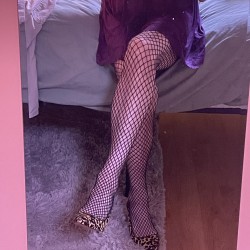




Crossdressing appears to be becoming more visible in everyday life, entertainment, fashion and online communities. That does not mean every crossdresser feels accepted, every environment is welcoming, or that social attitudes have changed equally everywhere. What it does suggest is that clothing and gender expression are being discussed more openly than they were in many previous generations.
For crossdressers, that changing visibility can make a practical difference. Seeing other people experiment with clothing, make-up and gender presentation may make crossdressing feel less isolated. It can also provide more opportunities to find advice, meet others and understand that there is no single way somebody has to express themselves.
Is crossdressing really becoming mainstream?
Crossdressing is certainly more visible in some parts of society. Fashion has become less rigid about which clothes belong exclusively to men or women, while social media has given people more opportunities to share different forms of gender expression.
Television, music, theatre, fashion and online culture have also made traditionally gendered clothing more visible on a wider range of people. Someone wearing make-up, heels, a skirt or other traditionally feminine clothing may attract less surprise in some places than they might have done several decades ago.
That should not be mistaken for universal acceptance. Attitudes can differ considerably between countries, communities, workplaces, families and generations. A crossdresser who feels comfortable going out dressed in one town may have a very different experience somewhere else.
The more useful way to describe the change is that crossdressing and broader forms of gender expression have become more visible and easier to discuss in many settings.
Why are attitudes towards clothing changing?
Clothing rules have never been completely fixed. What society regards as masculine or feminine has changed repeatedly throughout history. Colours, hairstyles, footwear, jewellery and even the shape of everyday clothing have moved between different gender expectations over time.
If you are interested in how those expectations developed, our article on the evolution of gendered clothing norms looks at how ideas about men's and women's clothing have changed.
Modern fashion has continued that process. Some designers and retailers now use more gender-neutral styling, while celebrities and performers sometimes wear clothing that would previously have been marketed almost entirely towards women.
None of this means traditional men's and women's fashion has disappeared. It simply means the boundaries can feel less rigid for some people.
Social media has made crossdressing easier to see
Before online communities became widespread, many crossdressers had relatively few ways of seeing other people with similar interests. Somebody could spend years believing they were almost alone simply because nobody around them openly discussed crossdressing.
Online communities changed that considerably. Crossdressers can now find clothing advice, make-up tutorials, discussion groups, photographs and personal experiences without needing to know another crossdresser locally.
That visibility can be particularly useful for somebody who has recently started exploring. Reading about crossdressing for beginners or discovering that other people have experienced similar worries can make the subject easier to understand.
There is still an important distinction between online visibility and everyday acceptance. A large online community does not automatically mean somebody will receive the same response from their family, employer or local community.
More visibility does not mean you have to become public
One possible downside of talking about crossdressing becoming more accepted is that people can start feeling pressure to become more open themselves.
You do not need to do that.
Some crossdressers enjoy going shopping, meeting friends or attending social events while dressed. Others prefer dressing at home. Some tell partners or close friends while keeping that part of themselves separate from colleagues and wider family.
There is no single level of openness that suits everybody. Your circumstances, relationships and comfort level matter.
If you are deciding how visible you want to be, our guide to moving from private to more public crossdressing explores that decision in more detail.
Crossdressing and gender identity are not the same thing
Greater discussion of gender has also created some confusion around terminology. Crossdressing describes behaviour involving clothing or presentation. It does not automatically tell you somebody's gender identity or sexual orientation.
A person can crossdress and identify as a man. Another person may eventually decide that genderfluid, non-binary or transgender describes them more accurately. Others may prefer not to use any additional label.
If you are trying to understand what crossdressing means for you personally, am I genderfluid, a crossdresser or something else? may help you separate behaviour, identity and personal preference.
Our wider crossdresser identity guide also looks at the different questions people commonly explore as they become more comfortable with this side of themselves.
Does greater acceptance make going out easier?
For some people, it can.
Seeing a wider range of clothing and gender presentation in public may make somebody feel less conspicuous. More accessible make-up tutorials, clothing guides and online communities can also help people prepare before going out.
However, feeling confident in public is usually about more than society becoming more relaxed. Location, time of day, clothing, body language, company and previous experience can all affect how comfortable a situation feels.
If you are considering going out dressed for the first time, start with circumstances you feel able to manage. You might choose a familiar location, travel with somebody you trust or begin with clothing that feels feminine without attracting more attention than you want.
Our guide to going out crossdressed for the first time covers practical ways of building confidence gradually.
Fashion is giving crossdressers more options
One noticeable change is the amount of fashion inspiration now available. Crossdressers no longer have to rely solely on stereotypically glamorous outfits to create a feminine appearance.
Jeans, jumpers, trainers, jackets, casual dresses and simple accessories can all form part of a feminine wardrobe. For many people, learning how ordinary women of a similar age dress in everyday situations produces a look that feels more natural than trying to create a highly polished outfit every time.
Beginners can find practical ideas in our beginner feminine fashion guide, while those who want a broader approach can explore the complete crossdresser fashion guide.
Having more options does not mean there is a correct way to dress. Some people enjoy understated outfits. Others enjoy glamour, lingerie, heels or dramatic make-up. Crossdressing can be personal precisely because different people want different things from it.
Relationships may still require careful conversations
Changes in society do not automatically remove the difficulties that can arise when a partner discovers or learns about crossdressing.
A partner may be accepting immediately, uncertain, curious or worried about what crossdressing means for the relationship. Questions about attraction, sexuality, identity and secrecy can appear even when those assumptions do not reflect the crossdresser's experience.
Clear communication can help. Rather than assuming a partner will understand what crossdressing means to you, explain it in your own terms. Give them room to ask questions and recognise that their feelings may develop over time.
For people preparing for that conversation, how to tell your partner you crossdress offers a more detailed starting point.
What about crossdressing at work?
Workplaces can be particularly complicated because social attitudes, workplace policies and individual expectations may overlap.
Some people work in environments where gender expression attracts relatively little attention. Others may prefer to keep their crossdressing completely separate from their professional life.
Greater public visibility should not be treated as a guarantee that every workplace will respond in the same way. Before changing how you present at work, it can be sensible to consider your employer's dress code, your role, local circumstances and what level of disclosure you actually want.
If keeping these parts of your life separate matters to you, our article on protecting your privacy at work as a crossdresser covers some of the practical issues worth considering.
Why community still matters even as attitudes change
Greater visibility can reduce some feelings of isolation, but seeing crossdressers online is different from actually talking to people who understand the experience.
Community can be useful because the questions crossdressers face are often surprisingly specific. How do you choose your first outfit? What do you say to a partner? How do you deal with nerves before going outside? Where can you talk without needing to explain everything from the beginning?
ClubCrossDressing has been bringing crossdressers and people interested in the community together since 2009. During that time, one thing has remained consistent: people often value having somewhere they can talk to others who already understand many of those questions.
If you would like to make connections rather than explore entirely on your own, our guide to making crossdresser friends online offers practical suggestions for getting started.
Acceptance can change at different speeds
One of the easiest mistakes to make is assuming that increased visibility means prejudice has disappeared.
It has not disappeared everywhere.
Some crossdressers may experience supportive reactions while others may encounter misunderstanding, ridicule or discrimination. Even the same person can have very different experiences depending on where they are and who they are with.
This is why personal judgement still matters. You can recognise that attitudes may be changing without assuming every situation will be welcoming.
For somebody who has spent years hiding their crossdressing, that distinction can be especially important. Becoming more comfortable with yourself does not require telling everybody around you. It can simply mean reaching a point where crossdressing no longer feels like something you need to judge yourself for.
What does becoming more mainstream mean for beginners?
For somebody beginning to explore crossdressing, the biggest advantage may be access to information.
You can learn how clothing sizes work, practise make-up, compare wigs, understand body shaping, read about relationships and talk with other people before deciding how far you want to take things.
Try not to turn that abundance of information into another source of pressure. You do not need a complete wardrobe immediately. You do not need to look a particular way. You do not need to go outside dressed, create a feminine name or tell other people unless those things are meaningful to you.
Start with whatever part interests you most. That might be trying a skirt at home, learning make-up, buying your first pair of heels or simply reading about understanding crossdressing before doing anything else.
Crossdressing may be more visible, but your journey is still personal
The changing visibility of crossdressing can be encouraging because it gives people more examples of different ways to express themselves. It can also make information and community easier to find.
But broader cultural change does not decide what you should do personally.
You might eventually enjoy being openly feminine in public. You might dress occasionally in private. You might tell your partner while nobody else knows. Your interests might change over time, or they might remain much the same.
The useful question is not whether crossdressing has become completely mainstream. It is whether increased visibility gives you more room to understand what crossdressing means in your own life.
Frequently asked questions about crossdressing becoming mainstream
Is crossdressing socially accepted now?
Crossdressing appears to receive greater visibility and acceptance in some communities and social settings, but attitudes still vary between individuals, cultures, workplaces and locations.
Why does crossdressing seem more common now?
Greater online visibility, changing fashion and more public discussion of gender expression can make crossdressing easier to see. That does not necessarily mean the behaviour itself suddenly became common.
Does crossdressing mean someone is transgender?
Not necessarily. Crossdressing describes clothing or presentation, while transgender describes gender identity. Some people may identify with both terms, while others may identify only as crossdressers.
Do I need to tell people that I crossdress?
No single approach suits everybody. Some people are open about crossdressing, while others keep it within particular relationships or parts of their lives.
Is it easier to meet other crossdressers now?
Online communities and social platforms can provide more opportunities to find and communicate with other crossdressers than were available before widespread internet access.