 ClubCrossDressing ®











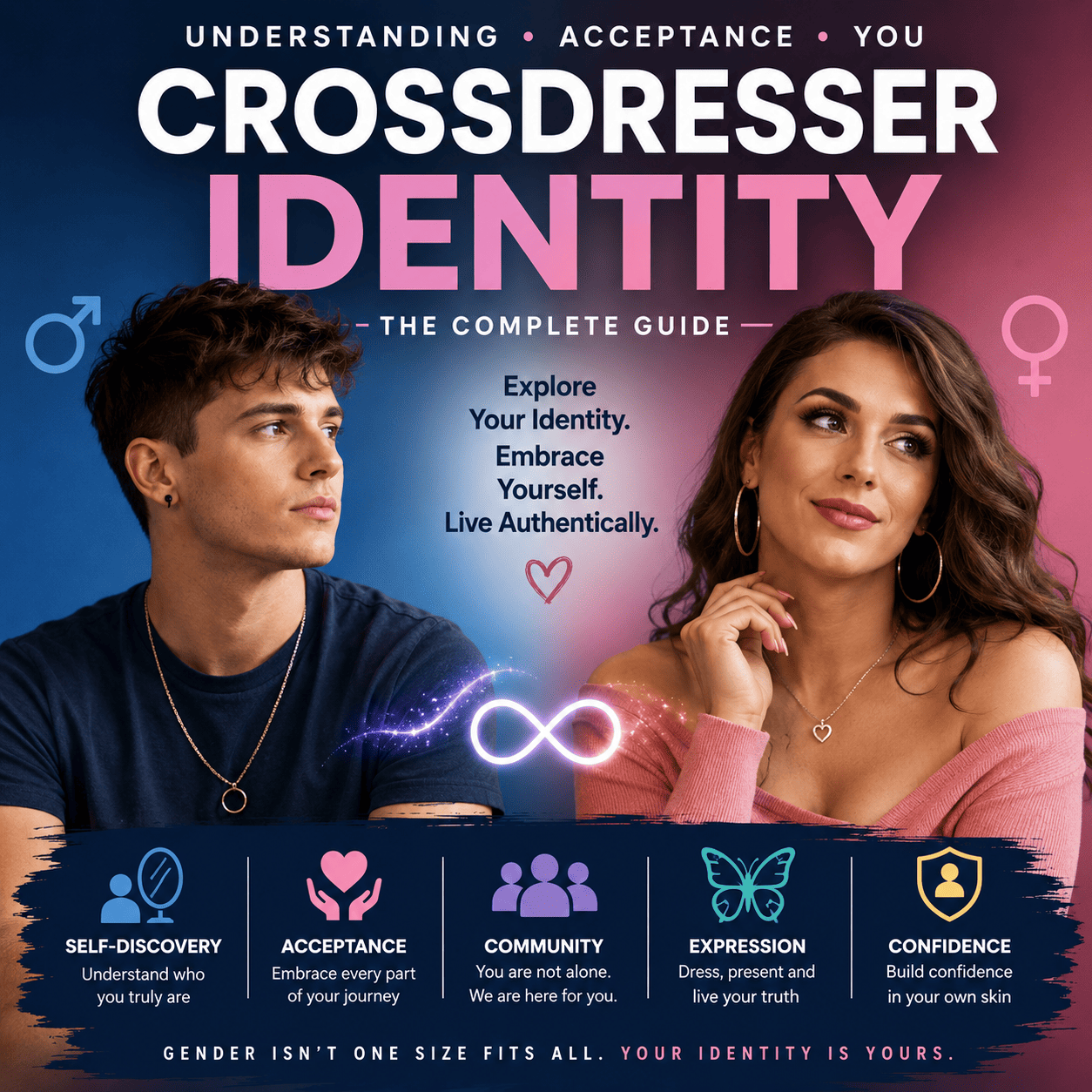
Questions about identity are among the most common we hear here at ClubCrossDressing. Many people begin by asking themselves a simple question: "Why do I enjoy crossdressing?" That question often leads to many others. Am I just a crossdresser? Could I be genderfluid? Does enjoying feminine clothing mean I want to transition? Am I transgender? Is how I feel completely normal? This is why we started writting these articles.
If you've found yourself asking any of those questions, you're far from alone.
Since launching ClubCrossDressing in 2009, we've welcomed people from every background imaginable. Some simply enjoy wearing feminine clothing in private. Others dress socially, while many have spent years exploring different aspects of their identity before feeling comfortable putting those feelings into words. There is no single journey that everyone follows, and there certainly isn't a single answer that fits every person.
The purpose of this guide isn't to tell you who you are. Only you can decide that. Instead, this page explains the most common identity terms, explores the differences between them, answers frequently asked questions and helps you understand where your own experiences might fit.
Whether you're completely new to crossdressing or have been exploring your feminine side for decades, understanding identity can remove a great deal of uncertainty and help you feel more confident moving forward.
What Is Crossdresser Identity?
A person's identity is their own understanding of who they are. It includes how they see themselves, how they experience gender, how they express themselves and, for some people, how they wish others to understand them.
For crossdressers, identity can be surprisingly varied.
Some people see crossdressing purely as a hobby or form of self-expression. Others describe it as an important part of their personality that has always existed, even if they kept it hidden for many years. Some feel entirely comfortable identifying as men while enjoying feminine clothing, while others discover their relationship with gender changes over time.
None of these experiences are unusual.
One of the biggest misconceptions surrounding crossdressing is that everyone is following the same path. In reality, people crossdress for many different reasons, and those reasons may even change throughout their lives.
What Is a Crossdresser?
A crossdresser is someone who wears clothing traditionally associated with another gender. For many people, that's the beginning and the end of the definition.
Crossdressing does not automatically tell you anything about someone's:
- Gender identity.
- Sexual orientation.
- Relationship status.
- Personality.
- Career.
- Desire to transition.
A heterosexual married man who occasionally enjoys wearing dresses is still just as much a crossdresser as someone who dresses every weekend, attends social events or has an entirely feminine wardrobe.
Crossdressing describes behaviour, not identity.
If you're completely new to the subject, our guide explaining what is a crossdresser? provides a more detailed introduction.
What Is Gender Identity?
Gender identity is different from clothing.
It describes how you personally experience your own gender. For some people that's very straightforward. Others spend years exploring what feels authentic to them.
Some people consistently identify as male. Others identify as female. Some identify as both, somewhere in between or neither.
Understanding your gender identity isn't a race.
Many members tell us they initially assumed crossdressing automatically meant something much bigger. In reality, discovering you enjoy feminine clothing doesn't automatically answer questions about identity, just as enjoying traditionally masculine hobbies doesn't define anyone else's gender.
Identity develops through self-understanding rather than assumptions.
What Does Genderfluid Mean?
Genderfluid describes people whose experience of gender changes over time.
Rather than consistently identifying with one gender, a genderfluid person may feel more masculine at certain times, more feminine at others, or somewhere in between. These changes can happen over days, weeks, months or even years, and every person's experience is unique.
Some genderfluid people enjoy changing how they dress to reflect how they feel. Others don't change their appearance very much at all.
Being genderfluid isn't about following trends or making a fashion statement. It's about how someone personally experiences their gender.
Because everyone's experience is different, there's no checklist that determines whether someone is genderfluid.
If this sounds familiar, you may also find our articles on Am I Genderfluid, a Crossdresser or Something Else? and Early Signs You Might Be Genderfluid helpful.
Crossdresser vs Genderfluid: What's the Difference?
This is probably the single most common question we receive.
The easiest way to understand the difference is this:
- Crossdressing describes something you do.
- Genderfluid describes how you experience your gender.
A person can be a crossdresser without being genderfluid.
Likewise, a genderfluid person may or may not enjoy crossdressing depending on how they express themselves.
The two are not opposites, nor does one automatically lead to the other.
Some people are both. Others identify with only one of those descriptions. Many choose not to use labels at all.
The important thing is finding language that helps you understand yourself, rather than feeling pressured to adopt a label that doesn't quite fit.
Does Crossdressing Mean I Might Be Genderfluid?
Possibly.
But it also might not.
Enjoying feminine clothing on its own doesn't determine your identity.
Some people crossdress for relaxation. Others enjoy the creativity of fashion, photography or makeup. Some enjoy expressing a side of themselves that everyday life doesn't allow them to show.
For others, crossdressing becomes part of a much broader exploration of gender identity.
The important thing is not to rush yourself towards a conclusion.
Self-discovery rarely happens overnight. Many members tell us their understanding of themselves developed gradually over several years rather than through one life-changing moment.
Can You Be Both?
Yes.
Someone can absolutely identify as both a crossdresser and genderfluid.
For example, a person might enjoy crossdressing as one way of expressing the feminine side of a genderfluid identity. Another person may enjoy crossdressing while consistently identifying as male.
Both experiences are valid.
One of the biggest lessons we've learned since 2009 is that identity isn't a competition. There is no prize for choosing the "correct" label as quickly as possible.
The goal is simply understanding yourself a little better than you did yesterday.
Genderfluid vs Transgender
Although the two terms are sometimes confused, they don't mean the same thing.
Transgender is a broad term used by people whose gender identity differs from the sex they were assigned at birth. Some transgender people transition socially, medically or legally, while others do not. Every journey is personal.
Genderfluid describes someone whose experience of gender changes over time. A genderfluid person may feel more masculine on some days, more feminine on others or somewhere between the two. Those experiences may change gradually or quite naturally over time.
Some genderfluid people also identify as transgender, while others do not. Neither identity is more "correct" than the other.
The important point is that labels exist to help people describe themselves, not to place people into rigid categories.
Genderfluid vs Non-Binary
Another question we hear regularly is whether genderfluid and non-binary mean exactly the same thing.
The answer is no, although there can be overlap.
Non-binary is an umbrella term describing people whose gender identity isn't exclusively male or exclusively female.
Genderfluid describes movement or variation in gender identity over time.
Some genderfluid people identify as non-binary because their experience falls outside the traditional male-or-female understanding of gender. Others prefer to identify only as genderfluid.
There isn't a rulebook that says you must use one label or another. If a particular description helps you understand yourself, that's what matters.
Genderfluid vs Femboy
These terms are often confused because they can both involve feminine presentation, but they describe different things.
A femboy is generally someone, often identifying as male, who enjoys presenting themselves in a feminine way through clothing, appearance or behaviour.
Being genderfluid, however, relates to a person's internal experience of gender rather than simply how they choose to dress.
Someone can be a femboy without being genderfluid.
Someone can be genderfluid without identifying as a femboy.
Someone may also identify as both.
If you'd like a more detailed comparison, we've explored this in Femboy vs Crossdresser vs Genderfluid.
Does Being Genderfluid Mean You Want to Transition?
No.
This is one of the biggest misconceptions surrounding genderfluidity.
Some genderfluid people eventually choose to transition socially or medically.
Many never do.
Others have no desire to transition at all and simply enjoy expressing different aspects of themselves depending on how they feel.
There isn't a single destination that every genderfluid person is moving towards.
Your identity isn't measured by the decisions you make about clothing, names, pronouns or medical treatment.
If you're questioning whether transition is something you may want in the future, our article Does Crossdressing Mean I Want to Transition? explores this subject in more detail.
Gender Identity and Sexual Orientation Are Different
Another area of confusion is the relationship between gender identity and sexual orientation.
They're completely different things.
Gender identity describes who you are.
Sexual orientation describes who you're attracted to.
A genderfluid person might be attracted to women, men, both, neither or people regardless of gender.
Likewise, a heterosexual man who enjoys crossdressing doesn't automatically become gay, bisexual or transgender simply because he enjoys feminine clothing.
This is something we've addressed in several articles because it's one of the most common concerns raised by new members.
You may also find these guides helpful:
Signs You Might Be Questioning Your Gender Identity
There isn't a checklist that determines someone's identity, but many people describe similar experiences while exploring who they are.
You might find yourself asking questions such as:
- Do I enjoy expressing both masculine and feminine sides of myself?
- Do my feelings about gender change over time?
- Am I happiest when I can express myself freely?
- Do I feel different depending on how I'm presenting?
- Have these feelings existed for many years?
- Am I curious about my identity rather than simply my clothing?
Answering yes to one or more of these questions doesn't automatically make someone genderfluid.
Equally, answering no doesn't rule it out.
Identity is something you discover through honest self-reflection rather than by completing an online checklist.
Why It's Okay Not to Have All the Answers
One of the biggest mistakes people make is believing they must quickly decide exactly who they are.
Life rarely works that way.
Some members spend years becoming comfortable calling themselves crossdressers before later discovering that genderfluid describes them more accurately.
Others briefly question their identity before realising they're perfectly happy identifying as men who simply enjoy feminine clothing.
Neither outcome is more valid than the other.
The goal isn't to collect labels.
The goal is understanding yourself well enough to live comfortably and authentically.
The Emotional Side of Self-Discovery
Questioning your identity can be exciting, but it can also feel confusing.
Many people experience periods of uncertainty, excitement, relief and even guilt as they learn more about themselves.
Those emotions are perfectly understandable.
After running ClubCrossDressing since 2009, one thing has become very clear. Most people feel far less alone once they discover there are others asking exactly the same questions.
Talking with people who have walked similar paths often provides reassurance that uncertainty is a normal part of self-discovery rather than something to fear.
If feelings of guilt or secrecy resonate with you, you may also find these articles useful:
Common Myths About Genderfluid People
Myth: Genderfluid people are just confused.
Exploring your identity isn't the same as being confused. Many people spend time understanding themselves before deciding which words best describe their experiences.
Myth: Genderfluidity is just about clothing.
Clothing can be one form of self-expression, but genderfluidity relates to how someone experiences their gender, not simply what they wear.
Myth: Everyone eventually transitions.
No. Many genderfluid people never transition and have no desire to do so.
Myth: You have to choose one label forever.
Identity can evolve. It's perfectly normal for the language someone uses to describe themselves to change as they learn more about who they are.
Exploring Your Identity at Your Own Pace
One of the most reassuring things you can remember is that there is no deadline for understanding yourself.
Some people recognise who they are quite quickly, while others spend years gradually becoming comfortable with different aspects of their identity. Neither journey is better than the other.
You don't need to adopt a label because someone else thinks it fits. Likewise, you don't have to reject one because it feels unfamiliar today.
Many members tell us they initially arrived at ClubCrossDressing simply looking for fashion advice or somewhere to meet like-minded people. It was only after talking with others and reading different experiences that they began to understand themselves more clearly.
Sometimes the biggest breakthrough isn't discovering a new label. It's realising you no longer feel the need to hide who you are.
Talking to Other People Can Help
Questioning your identity can feel isolating if you keep every thought to yourself.
Many people spend years believing they're the only person experiencing these feelings, only to discover that thousands of others have asked exactly the same questions.
Talking with people who understand doesn't mean they'll tell you who you are. Instead, they can share their own experiences, answer practical questions and remind you that there isn't one "correct" journey.
That's one of the reasons community matters so much. Hearing different perspectives often helps you understand your own more clearly.
If you're looking to connect with people who understand these experiences, you can meet crossdressers, join conversations and make new friends within the ClubCrossDressing community.
Should You Tell Other People?
There isn't a universal answer.
Some people feel completely comfortable discussing their identity with partners, family and close friends. Others prefer to keep this part of their lives private, particularly while they're still exploring how they feel.
It's perfectly reasonable to take your time.
Many members choose to become comfortable with themselves before having conversations with other people. Building confidence first often makes those discussions feel much less intimidating.
If you're considering opening up to someone close to you, these guides may help:
Building Confidence in Your Own Identity
Confidence doesn't come from choosing the perfect label.
It comes from gradually becoming comfortable with yourself.
That might mean buying your first outfit, trying makeup for the first time, attending a social event, uploading a profile photo or simply allowing yourself to stop feeling guilty about enjoying something that brings you happiness.
Every small step helps build confidence for the next one.
At ClubCrossDressing we've seen members transform from people who were terrified of saying hello into confident individuals who now support newcomers beginning exactly the same journey.
Confidence grows through experience, not perfection.
There Isn't One "Right" Way to Express Yourself
Some people enjoy glamorous dresses and high heels.
Others prefer jeans, trainers and a subtle feminine look.
Some enjoy wearing makeup every day, while others never wear it at all.
Some people alternate between masculine and feminine presentation depending on how they feel. Others remain consistent throughout their lives.
None of these approaches is more authentic than another.
Your identity isn't measured by your wardrobe, your appearance or how convincingly you present yourself. Those things are forms of expression, not proof of who you are.
The healthiest approach is finding what feels natural and comfortable for you rather than trying to meet someone else's expectations.
Identity Can Change Over Time
People often worry that changing how they describe themselves somehow means they were "wrong" before.
That's rarely the case.
Language evolves. Understanding evolves. Life experiences change.
Someone might identify as a crossdresser for many years before later discovering that genderfluid feels like a better description. Another person may briefly question whether they're transgender before realising they simply enjoy crossdressing.
These experiences aren't failures or mistakes.
They're part of learning more about yourself.
There is no requirement to remain attached to a label forever.
Frequently Asked Questions
Can you be both genderfluid and a crossdresser?
Yes. Crossdressing describes wearing clothing traditionally associated with another gender, while genderfluid describes how someone experiences their gender. Many people identify as both, while others identify with only one of those terms.
Does crossdressing mean I'm genderfluid?
No. Many crossdressers consistently identify as men and simply enjoy feminine clothing. Others discover that genderfluid describes their experience more accurately. Crossdressing alone doesn't determine your identity.
Does being genderfluid mean I want to transition?
Not necessarily. Some genderfluid people transition, while many do not. Every person's journey is unique.
Can genderfluid people have relationships?
Absolutely. Genderfluid people enjoy healthy relationships just like anyone else. Open communication, honesty and mutual respect are far more important than labels.
How do I know if I'm genderfluid?
Only you can decide which description feels right. Reading, self-reflection and talking with supportive people often helps, but there isn't a test that provides a definitive answer.
Is it okay if I never choose a label?
Yes. Some people prefer not to label themselves at all. Understanding yourself is more important than finding the perfect word.
Can my identity change?
Yes. Many people's understanding of themselves develops over time. Changing how you describe your identity doesn't mean you were wrong before. It simply reflects learning more about yourself.
Final Thoughts
Understanding your identity is one of the most personal journeys you'll ever take.
Whether you identify as a crossdresser, genderfluid, transgender, non-binary or simply someone who enjoys expressing a different side of themselves from time to time, there is no single path that everyone follows.
The most important thing isn't choosing the "right" label. It's understanding yourself well enough to live honestly, comfortably and without unnecessary guilt.
After supporting the crossdressing community since 2009, we've learned that confidence grows through acceptance, experience and talking to people who genuinely understand.
You don't have to have every answer today.
Give yourself permission to explore, to learn and to grow at your own pace. Your identity belongs to you, and your journey doesn't need to look like anyone else's.
Recommended Related Reading
Explore More Crossdressing Guides
Looking for more advice? Browse our complete collection of in-depth crossdressing guides.
Browse All Crossdressing Guides
Looking for Shorter Reads?
Prefer shorter articles? Visit our Crossdressing Articles Hub for practical tips, news, inspiration and community stories, updated regularly.